The Tomb of Tutankhamun Is Closing
The Tomb of Tutankhamun Is Closing: What Happened and When It Will Reopen
Official information has been released about the temporary closure of one of Egypt’s most famous landmarks — the Tomb of Tutankhamun. The reason is the negative impact of groundwater, which has begun to erode the foundation of the burial chamber and poses a threat to the unique paintings and ancient frescoes.
The closure of the Tomb of Tutankhamun has caused wide concern among tourists and enthusiasts of Ancient Egyptian history, as this monument is considered one of the most valuable archaeological sites in the world.
Why the Tomb of Tutankhamun Is Closing
According to Egyptian heritage preservation specialists, groundwater levels in the Valley of the Kings have significantly increased. This is due to several factors:
- an increase in tourist traffic;
- rising water consumption in nearby settlements;
- natural climate changes;
- aging drainage systems.
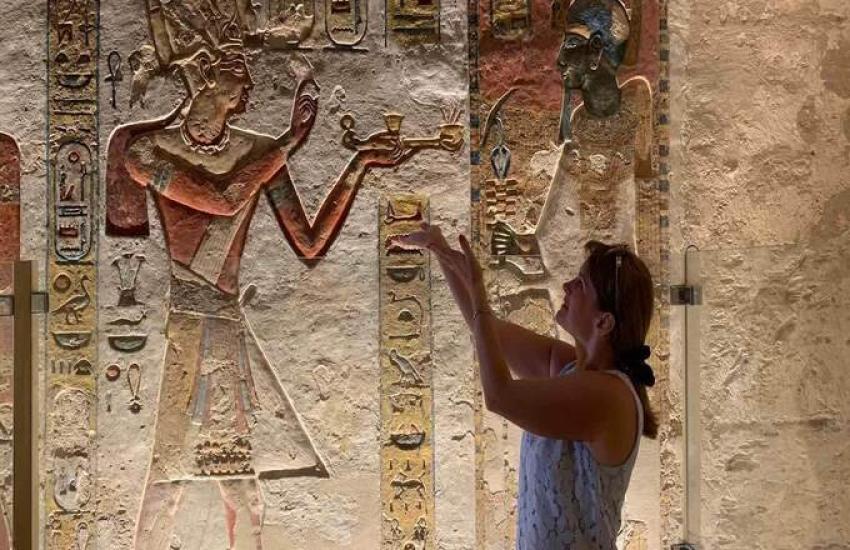
Moisture is gradually penetrating the lower levels of the tomb and could lead to wall damage, mold formation, and the deterioration of ancient inscriptions.
How Serious Is the Threat
Experts emphasize that the situation is currently under control, but without urgent measures irreversible consequences could occur. The Tomb of Tutankhamun is one of the few royal burial chambers preserved almost in its original condition.
The closure is preventive and aimed at:
- pumping out groundwater;
- reinforcing the walls and floor of the tomb;
- stabilizing the internal microclimate;
- installing an additional ventilation system.
How Long Will the Closure Last
The exact reopening date has not yet been announced. According to preliminary estimates, restoration and protective works may take from several months up to one year.
After completion of the work, the Tomb of Tutankhamun will reopen to visitors, although there may be a daily limit on the number of tourists.
What This Means for Tourists in Egypt
Tourists planning excursions to Luxor and the Valley of the Kings will be offered alternative routes. Excursion programs may include:
- tombs of other pharaohs;
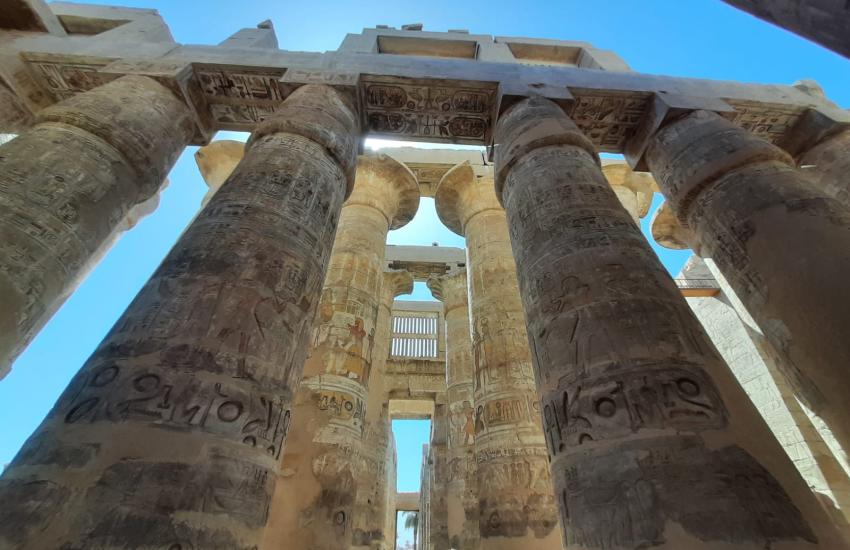
- the temples of Luxor and Karnak;
- museums in Cairo and Luxor where Tutankhamun’s treasures are displayed.
Even without visiting the tomb itself, travel programs in Egypt remain rich and educational.
Why the Closure Is a Necessary Measure
The temporary closure of the Tomb of Tutankhamun is not a blow to tourism, but an important step in preserving historical heritage. Similar measures are widely used around the world to protect unique monuments from destruction.
Preserving one of the main symbols of Ancient Egypt is more important than short-term gains from excursions.
Conclusion
The Tomb of Tutankhamun is temporarily closed due to groundwater-related risks. Egyptian authorities are carrying out urgent restoration work to preserve the monument for future generations. Reopening is expected after the full stabilization of the burial chamber.
We will continue to monitor the situation and inform you when the Tomb of Tutankhamun becomes accessible to visitors again.